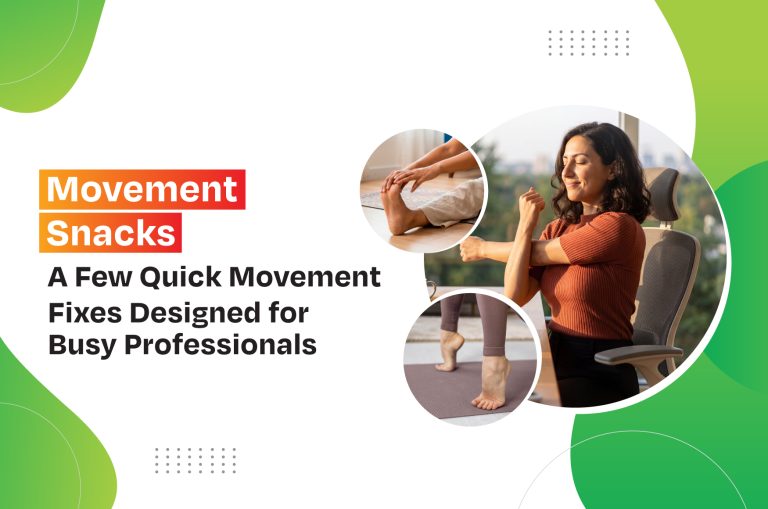
Whether someone is beginning their fitness journey, striving to improve everyday movement, or seeking to relieve aches and pains after spending hours at a desk job, exercise science is the foundation for effective physical activity and pain management. It is a discipline focused on understanding how the body responds to exercise and how this knowledge can be used to enhance health, improve fitness, and support long-term well-being for people of all ages and backgrounds.
The 5 core pillars involved in exercise science are:
- Improving health through physiological adaptation
Exercise science studies how regular physical activity influences heart function, metabolism, lung capacity, and energy systems. These insights help individuals choose the right types of exercise to improve health markers such as blood pressure, endurance, and overall vitality. Incorporating simple changes helps individuals build sustainable habits, improve mood, and enhance motivation, thus making active living more enjoyable and achievable. - Building functional strength and mobility
Through principles of biomechanics and motor control, exercise science helps people move better not just in the gym, but in daily life. Improving joint stability, posture, and movement patterns reduces strain, boosts strength, and enhances the ability to perform everyday tasks with ease and confidence. - Using assessment and monitoring to personalise workouts and diet
Exercise scientists use fitness testing, movement screenings, and body-composition analysis to create training and nutrition plans tailored to individual needs. The process ensures that individuals exercise at the right intensity, progress safely, eat well, and track meaningful changes over time, whether their goals involve weight management, improved fitness, or pain reduction. - Supporting healthy movement through physiotherapy principles
Exercise science overlaps closely with physiotherapy by emphasizing proper movement patterns, joint function, and muscular balance. By understanding common mobility restrictions and movement impairments, practitioners help individuals correct dysfunctional patterns, reduce pain, and improve confidence in everyday activities. - Reducing injury risk and enhancing longevity
A key focus is understanding how to prevent injuries before they occur. Through proper technique, balanced programming, adequate nutrition, and recovery strategies, exercise science empowers people to exercise consistently and safely, supporting long-term health and physical independence across the lifespan.
In essence, exercise science combines knowledge from physiology, biomechanics, psychology, and nutrition to help people move better, feel stronger, live healthier, and enjoy a pain-free and active lifestyle that supports long-term well-being.