Modern work has changed how we live and work. Whether you are an IT professional, doctor, teacher, banker, entrepreneur, designer, or student, you may spend several hours each day sitting at a desk, working on a computer, attending meetings, or looking down at a mobile device.
It is common to assume that an hour at the gym after work can compensate for a largely sedentary day. While regular exercise is essential for overall health, it does not completely replace the benefits of moving regularly throughout the day.
Your body benefits not only from structured exercise, but also from frequent changes in position and short periods of movement.
This is where movement snacks can help.
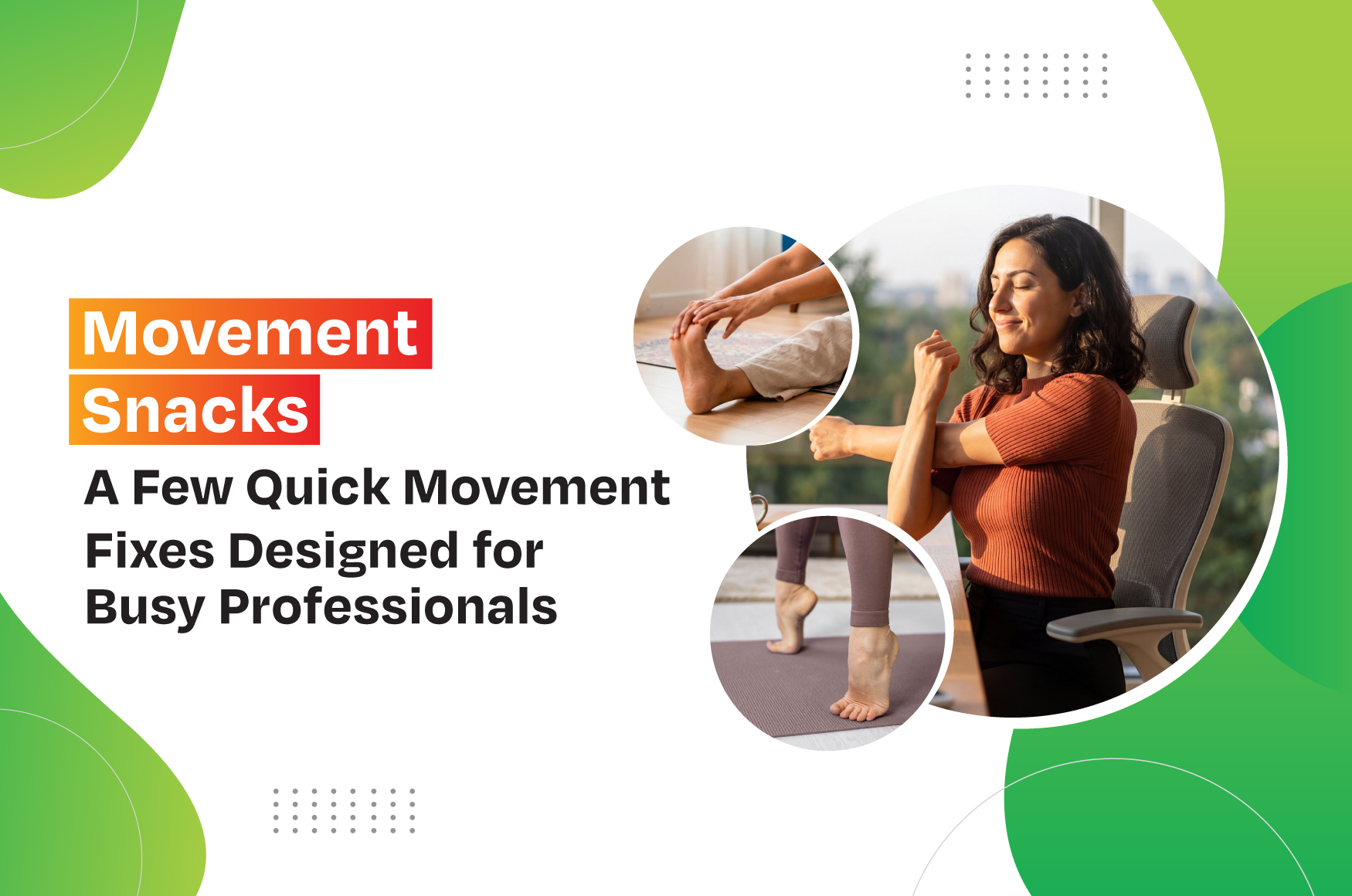
Movement snacks are short bouts of physical activity, typically lasting 30 seconds to a few minutes, that you can incorporate into your day. They are simple, practical, and require little or no equipment.
When done regularly, these brief movement breaks can reduce stiffness, encourage circulation, maintain joint mobility, and provide a mental reset during a busy workday.
What Are Movement Snacks?
Think of movement snacks as “healthy interruptions” to prolonged sitting.
Just as a healthy snack provides nourishment between meals, a movement snack allows your muscles and joints to move after periods of inactivity.
They typically do not require:
The goal is simple: break up prolonged periods of sitting with purposeful movement.
Why Does Your Body Need Regular Movement?
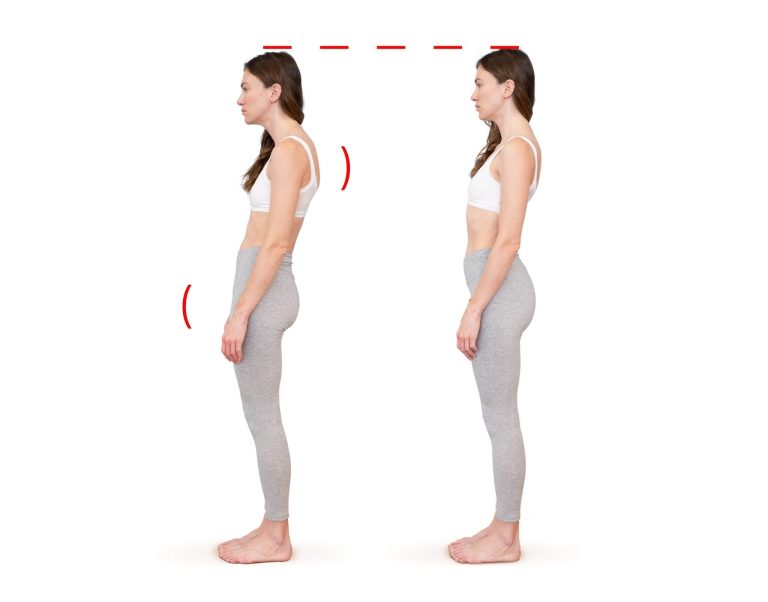
The human body is designed to move. Remaining in the same position for extended periods can contribute to muscle stiffness, reduced joint mobility, muscle fatigue, and discomfort.
During prolonged sitting, you may experience:
Stiffness in the muscles and joints
Tightness around the hips
Reduced activity of the gluteal muscles
Neck and shoulder fatigue
Upper and lower back discomfort
Reduced movement variability
Prolonged loading of the spine
Over time, prolonged sedentary behavior may be linked to musculoskeletal discomfort, fatigue, and reduced physical wellbeing.
Research also suggests that regularly interrupting prolonged sitting with movement can positively affect metabolic health and overall wellbeing.
The message is not that sitting is inherently harmful or that you must constantly exercise. Rather, breaking up long periods of uninterrupted sitting is a simple habit that can complement regular physical activity.
Benefits of Movement Snacks
Even brief movement breaks can be useful when you incorporate them consistently into your daily routine.
Physical Benefits
Movement breaks may help:
- Reduce muscle stiffness
- Maintain joint mobility
- Encourage blood circulation
- Activate underused muscle groups
- Improve awareness of posture and body position
- Reduce discomfort associated with prolonged static postures
- Break up extended periods of sitting
A short movement break can also provide a valuable mental reset and may help:
Improve alertness and concentration
Reduce feelings of mental fatigue
Increase energy levels
Support a more positive mood
Help you return to work feeling refreshed
Simple Movement Snacks You Can Do Anywhere
The best movement snack is safe, practical, and easy to do consistently.
Here are some simple options you can incorporate into a typical workday.
1. Chin Tucks — 1 Minute
Ideal for people who spend long periods working on laptops or using mobile devices.
How to do it:
Sit or stand tall with your shoulders relaxed.
Gently draw your chin straight backward, as though creating a “double chin.”
Avoid looking up or down.
Hold for approximately 5 seconds.
Relax and repeat 10 times.
Benefits:
Encourages activation of the deep neck muscles
Promotes awareness of head and neck alignment
May help reduce strain associated with sustained forward-head positions
2. Shoulder Blade Squeezes — 1 Minute
This is a simple way to introduce movement after prolonged desk work.
How to do it:
Sit or stand upright.
Keep your shoulders relaxed.
Gently draw your shoulder blades towards each other and slightly downwards.
Hold for approximately 5 seconds.
Relax and repeat 10–15 times.
Benefits:
Activates muscles around the upper back
Encourages postural awareness
Provides a break from sustained rounded-shoulder positions
3. Thoracic Extension — 1 Minute
After hours of leaning toward a screen, your upper back may feel stiff or restricted.
How to do it:
Sit comfortably in a stable chair.
Place your hands behind your head.
Keep your feet supported on the floor.
Gently extend your upper back over the backrest.
Avoid forcing the movement or arching excessively through the lower back.
Hold for a few seconds and repeat 5–8 times.
Tip:
- Move slowly and stay within a comfortable range.
4. Standing Hip Extensions — 2 Minutes
A useful movement break after prolonged sitting.
How to do it:
Stand beside your desk and hold it lightly for support if needed.
Keep your torso upright.
Slowly move one leg backward without arching your lower back.
Return to the starting position.
Repeat 12–15 times on each side.
Benefits:
- Activates the gluteal muscles
- Encourages hip movement
- Breaks up prolonged sitting
5. Desk Squats — 2 Minutes
Standing up and doing a few controlled squats is an easy way to add more movement to your workday.
How to do it:
Stand in front of your chair with your feet approximately shoulder-width apart.
Slowly bend your knees and hips as though you are going to sit down.
Keep your chest comfortably upright.
Return to standing.
Perform 10–15 controlled repetitions.
Use the chair or desk for support if required.
Benefits:
- Activates the muscles of the legs and hips
- Encourages movement after prolonged sitting
- Can contribute to maintaining lower-body strength
6. Calf Raises — 1 Minute
A simple exercise that can be performed beside your desk.
How to do it:
Stand upright and hold your desk or another stable surface if needed.
Slowly rise onto your toes.
Pause briefly.
Lower your heels back to the floor.
Repeat approximately 20 times.
Benefits:
Activates the calf muscles
Encourages movement in the lower legs
Helps break up prolonged periods of sitting or standing
7. Standing Spinal Rotation — 1 Minute
Gentle trunk rotation can provide a welcome change of movement after extended sitting.
How to do it:
Stand comfortably with your feet approximately shoulder-width apart.
Keep your knees relaxed.
Gently rotate your trunk from side to side.
Allow your arms to move naturally with the rotation.
Keep the movement controlled and comfortable.
Avoid forcing the rotation or moving into pain.
8. Hamstring Stretch — 1 Minute
How to do it:
Place one foot on a low, stable step or platform.
Keep your spine relatively neutral.
Gently lean forward from your hips until you feel a comfortable stretch behind the thigh.
Hold for approximately 20–30 seconds.
Repeat on the other side.
The stretch should feel comfortable, not painful.
9. Ankle Pumps — 30 Seconds
This is particularly convenient during long meetings, travel, or other situations where you cannot easily stand up.
How to do it:
Sit comfortably with your feet supported.
Lift your feet slightly if appropriate.
Move your ankles up and down through a comfortable range.
Repeat 20–30 times.
This provides a simple way to introduce movement into the lower limbs without leaving your seat.
10. Walk for Two Minutes
Sometimes the simplest movement snack is the most practical.
Instead of sending another message, consider:
Walking over to speak to a colleague
Refilling your water bottle
Taking the stairs when appropriate
Walking around the office
Taking a short walk between meetings
Walking while taking a phone call, when practical
Every opportunity to move adds up.
How Often Should You Move?
A practical goal is to interrupt prolonged periods of sitting regularly throughout the day.
For many professionals, aiming to change position or move every 30–60 minutes can be a useful starting point.
Your movement break does not need to be a full workout. Even one to three minutes of movement can be easier to maintain than a longer exercise session, and consistency is key.
Remember:
Consistency matters more than intensity when breaking up prolonged sitting.
Movement snacks should complement, not replace regular physical activity, strength training, and other healthy lifestyle habits.
Common Myths About Movement
“I go to the gym every evening, so I’m fine.”
Regular exercise is important, but it doesn’t mean you should stay inactive for the rest of the day.
Structured exercise and regular movement throughout the day serve different purposes. Combining both can support better overall movement habits.
“I don’t have time.”
Most movement snacks take less than a few minutes.
You can incorporate them between meetings, while waiting for a call, after completing a task, or whenever you notice that you have been sitting for a long time.
“I’ll move when I start feeling pain.”
You do not need to wait for discomfort before changing position or moving.
Regular movement can be part of a proactive approach to maintaining mobility and reducing the physical effects of prolonged static postures.
However, don’t ignore pain that is persistent, worsening, or accompanied by other symptoms.
When Should You Seek Professional Advice?
Movement snacks help with general mobility and activity, but they are not a substitute for professional assessment when you have an ongoing problem.
Consider seeking professional advice if you experience:
Persistent neck or back pain
Frequent headaches associated with neck or posture-related symptoms
Numbness or tingling
Shoulder pain that restricts movement
Persistent or worsening joint stiffness
Pain that interferes with work, sleep, exercise, or daily activities
Symptoms that continue despite modifying your activity
An appropriate assessment can help identify contributing factors and determine the most suitable treatment or exercise approach.
How CSSH Can Help
At Center for Spine & Sports Health (CSSH), we understand the physical demands of modern professional life. Long hours at a desk, frequent travel, prolonged meetings, and repetitive work can all influence how your body moves and feels.
Our approach focuses on helping you move better, function better, and stay active, rather than simply addressing pain when it occurs.
Our services include:
Comprehensive posture and movement assessments
Ergonomic guidance for your workplace
Individualized mobility and strengthening programs
Workplace injury prevention strategies
Exercise programs tailored to your lifestyle and occupation
Education and practical strategies to build sustainable movement habits
Whether you work from an office, work remotely, travel frequently, or spend much of your day on your feet, our goal is to help you develop movement strategies that fit realistically into your lifestyle.
The CSSH Philosophy
At CSSH, we believe that movement is medicine and is an important part of musculoskeletal health.
Good movement is not simply about exercising harder. It is about understanding your body, improving movement quality, building strength and mobility, and developing habits you can sustain over time.
Rather than waiting for pain to disrupt your routine, a proactive approach can help you identify movement limitations, address contributing factors, and develop strategies that support long-term function.
We aim to empower individuals with practical, personalized guidance so they can move with greater confidence, perform at their best, and maintain their musculoskeletal health throughout their professional and personal lives.
References
Dunstan DW, Howard B, Healy GN, Owen N. Too much sitting – A health hazard. Diabetes Research and Clinical Practice. 2012;97(3):368–376.
Tremblay MS, Aubert S, Barnes JD, et al. Sedentary Behavior Research Network (SBRN) – Terminology Consensus Project. International Journal of Behavioral Nutrition and Physical Activity. 2017;14:75.
Bull FC, Al-Ansari SS, Biddle S, et al. World Health Organization 2020 Guidelines on Physical Activity and Sedentary Behavior. British Journal of Sports Medicine. 2020;54(24):1451–1462.
Shrestha N, Ijaz S, Kukkonen-Harjula KT, et al. Workplace interventions for reducing sitting at work. Cochrane Database of Systematic Reviews. 2018;(6):CD010912.
Diaz KM, Duran AT, Colabianchi N, et al. Potential effects on mortality of replacing sedentary time with short sedentary bouts or physical activity. American Journal of Epidemiology. 2019;188(3):537–544.
Owen N, Healy GN, Matthews CE, Dunstan DW. Too much sitting: The population health science of sedentary behavior. Exercise and Sport Sciences Reviews. 2010;38(3):105–113.