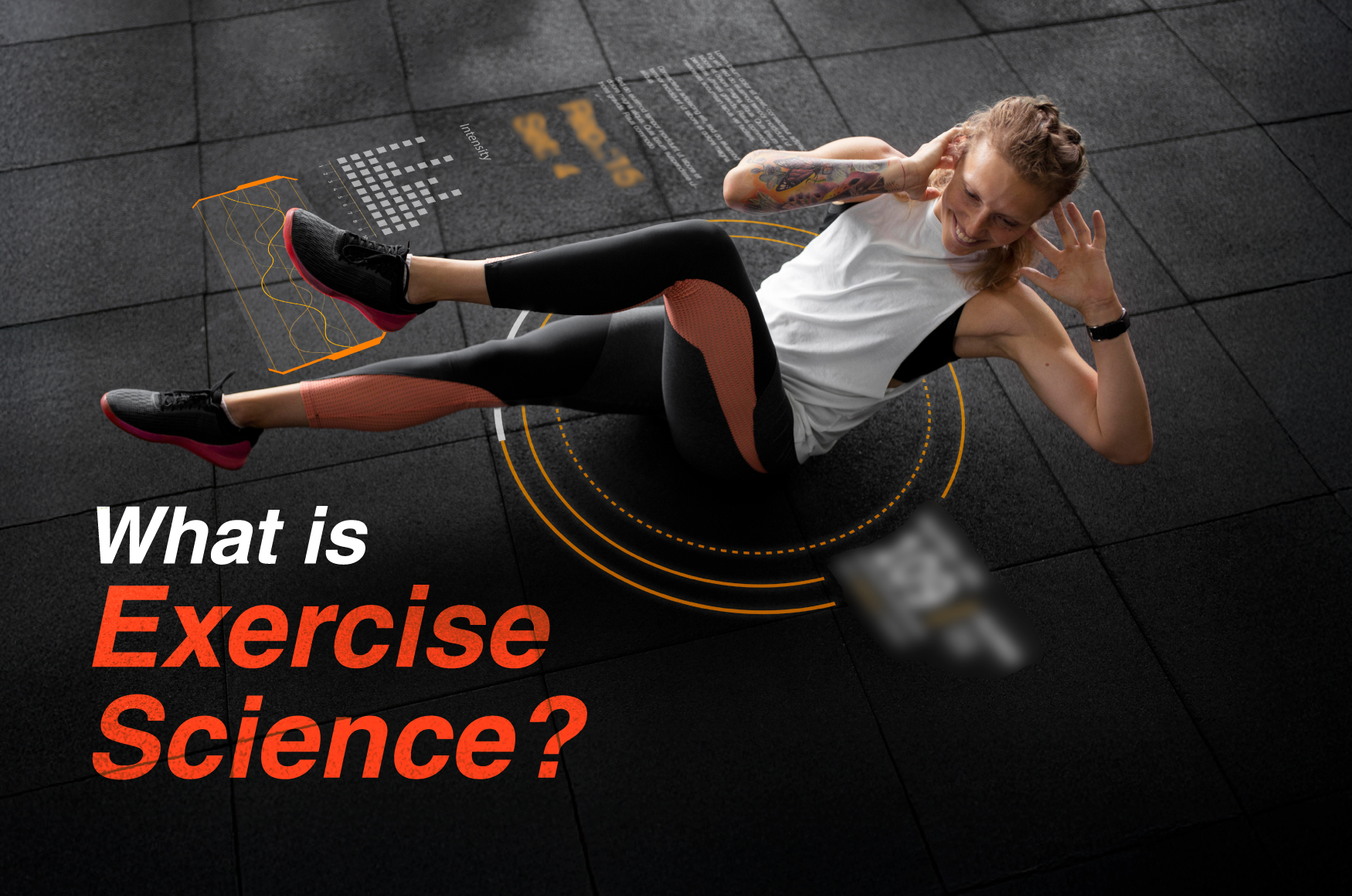
Whether someone is building a competitive foundation, chasing podiums, or pushing the limits of their elite sport, sports science is the engine behind every step of human movement and performance. It is a specialization that focuses on the scientific principles underlying the improvement of athletes’ movement fundamentals and overall athletic performance. Sports science is the study of how the human body responds to physical activity, and how this can be used to reduce the risk of injury and enhance performance.
The 5 Core pillars involved in Sports science are:
- Understanding human physiology
Sports science examines how the body’s muscular, cardiovascular, respiratory, and neurological systems respond and adapt to training. This helps tailor training loads, manage fatigue, and build programs that optimize the specific and desired adaptations rather than simply accumulating work that leads to burnout.
- Enhancing movement mechanics
Through biomechanics, practitioners analyze how athletes move, identifying inefficiencies, compensations, and opportunities to improve technique. These movement patterns are then refined, so athletes can generate more force, improve speed or agility, and reduce unnecessary strain on bones, joints, and tissues.
- Leveraging data and technology
Modern sports science uses tools such as GPS trackers, force plates, timing gates, motion-capture systems, and other technologies to quantify performance. These insights enable more evidence-based decision-making for accurate workload monitoring, early detection of overtraining, and progress tracking.
- Integrating psychology for performance and wellbeing
Cognitive factors such as motivation, focus, stress regulation, and resilience play a crucial role in athletic success. Sports science incorporates mental skills training and performance psychology to help athletes manage pressure, boost confidence, and perform consistently under challenging conditions. This is done while focusing on the athlete’s overall well-being to reduce burnout.
- Preventing injury and supporting recovery
By analyzing training stress, movement patterns, and quality, and recovery markers, sports scientists design strategies that minimize injury risk. They also integrate nutrition, sleep, and other recovery strategies such as ice baths, heat therapy, foam rolling etc., to help athletes train consistently, bounce back faster, and maintain long-term performance.
Overall, sports science integrates anatomy, physiology, biomechanics, psychology, and nutrition to enhance strength, power, stability, speed, and agility, while minimizing injury risk and supporting long-term athletic development.